Events
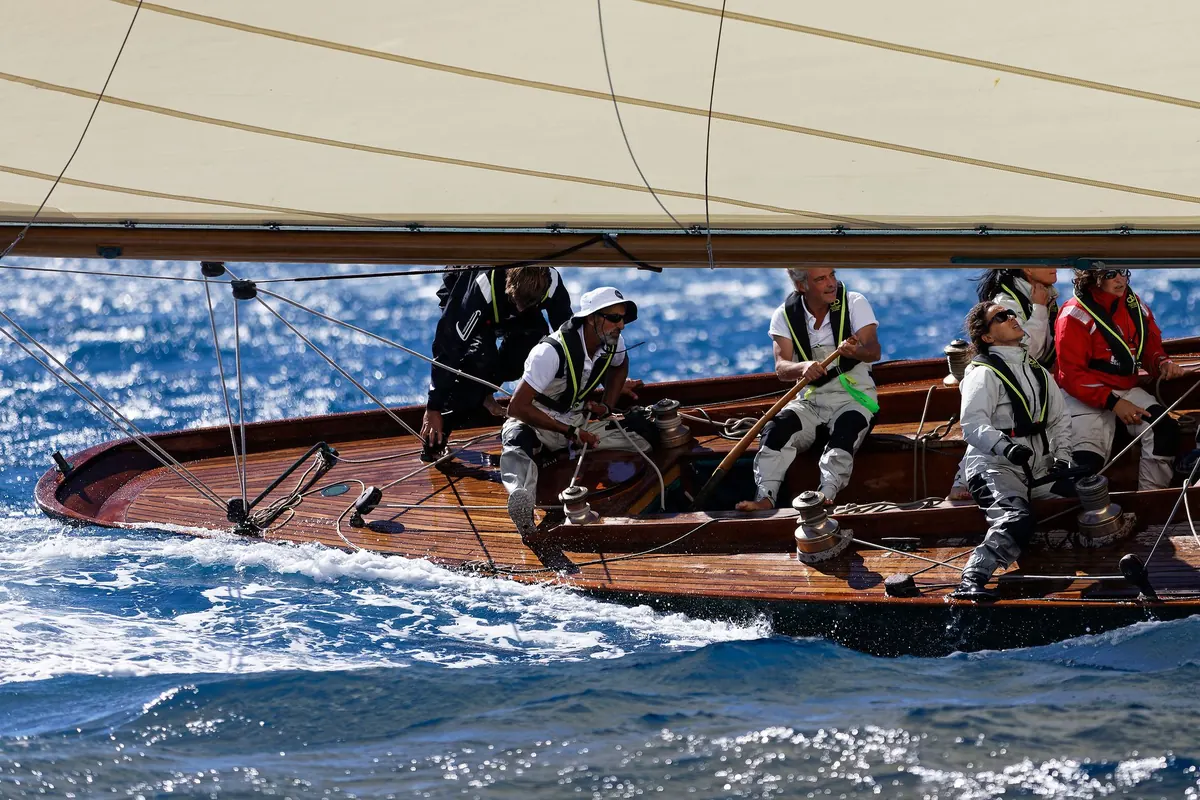
Round the Island Race: First-Timer's Guide to Preparing Boat and Crew
The Round the Island Race is one of the largest mass-participation yacht races anywhere: a lap of the Isle of Wight of roughly fifty nautical miles, with a start off Cowes, a long leg along the island's south coast and a finish back where you began. On a good year well over a thousand boats take part, which turns the Solent into something between a festival and a traffic jam. It is enormous fun, and it will find every weak point in your boat and your crew. That is not a reason to stay at home. It is a reason to start preparing a few weeks early.
What the day actually looks like
Depending on your class, your start could be shortly after dawn. That means leaving the berth in the dark, with the Solent already crowded, and racing before you are properly awake. The fastest boats can be finished in six or seven hours; a slower cruiser-racer in light airs can still be out there twelve hours later. Plan for the long version and be pleased if it turns out shorter.
The usual course is westabout: west down the Solent and out past the Needles, east along the island's south coast, round St Catherine's Point, past Bembridge Ledge and back up the Solent to the finish. Read the Sailing Instructions on the day, because the race committee sets the course and can change it. Everything else — food, sail choices, when to tack — hangs off wind and tide.
It helps to think of it as a coastal passage race with a start and a finish bolted on. There will be long stretches where you are simply sailing the boat well, feeding people, and keeping an eye on the cliffs. Treat those stretches as the race, not as waiting around between the exciting bits.
Entry, rating and paperwork
Entry opens well before the race and closes early, so put it in the diary. You will typically need a valid rating certificate if you are racing under handicap, insurance with the third-party cover specified in the Notice of Race, a completed crew list, and compliance with the stated safety category — often Category 4 for an event of this type.
Read the Notice of Race and the Sailing Instructions yourself rather than trusting what someone told you in the bar. They set out the kit list, start procedures, radio channels, time limits and any restrictions on propulsion. Budget an evening to go through both with a highlighter, then check the actual items off against what is physically on the boat. A liferaft that is out of service, a flare that expired two seasons ago or a lifejacket with no light are all easy to miss until you are doing the kit check at 0600.
Bookings matter too. Cowes and the neighbouring harbours fill up; moorings, ferries and accommodation go early. Work out where the boat will be the night before and how the crew will reach it. If you are leaving a car, know where it is allowed to sit for twelve hours.
Preparing the boat
Strip weight out, then put the right kit back in. A race of this length rewards a light, tidy boat far more than a heavily laden one, but nothing you take off should be something you might genuinely need if the wind gets up off St Catherine's. The trick is to remove the clutter and keep the capability.
Safety kit and systems
Work through the required list methodically, and then add the things that make a long day bearable and safe:
- Lifejackets for everyone, fitted, with crotch straps, lights and whistles — not borrowed ones from the back of a locker.
- Harnesses and jackstays rigged and ready before the start, not dug out when it starts blowing.
- Anchors, warps, a bucket and a sea anchor, stowed where they can be reached rather than buried under sails.
- A first aid kit, seasickness tablets, sun cream and a working torch or headlamp for each watch.
- A fixed VHF plus a handheld as backup, with the race channels written down and taped near the chart table.
- Engine checks: fuel, filters, cooling water, impeller, battery charge and a spare fuel can.
Sails, rig and deck
Service the winches, wash and lubricate them, and check every halyard for chafe where it runs over a sheave or through a clutch. Replace anything that has been looking tired for two seasons, because a day like this is exactly when it will go. Tape split pins, mouse shackles, check the rudder bearings and make sure the stanchions and lifelines would actually hold a person leaning on them.
Decide your sail inventory from the forecast. A heavy number one, a number three, a reefable mainsail and one kite is a sensible default for a cruiser-racer. Practise setting and dropping each of them before race day.
Food, water and comfort
A twelve-hour day is a catering job. Make sandwiches and flasks the night before, keep water bottles where a helm can reach one without leaving the tiller, and have something hot in a vacuum flask for the cold hours. Bring more than you think you need, and keep a spare bar and a bottle in a grab bag for the person who is doing badly.
Preparing the crew
The crew is the part of the boat most often left to chance. Give everyone a job before you leave the dock, and say it out loud: who is navigating, who is trimming, who is on the foredeck, who is making the calls on the radio, who is feeding people. Rotate helms if you have the people for it, but never hand over the helm mid-manoeuvre in a crowded start line.
Agree in advance how you will handle the things that go wrong: a man overboard, an injury, a collision, a boat that needs towing, or the decision to retire. A short brief before the start costs ten minutes and saves an hour of confusion later.
Do a shakedown sail — and a rehearsal
At least one sail in the week before the race, ideally two, and with the full crew aboard. It should not be a pleasant potter. It should be a rehearsal:
- Hoist and drop every sail you plan to carry, and stow it again properly.
- Reef the main fully, then shake it out. Do it twice, so it stops being a crisis.
- Run a man overboard drill under sail and under engine, and time it.
- Start the engine, use it in gear, test reverse and stopping, and check the cooling water is flowing.
- Eat a meal underway with the boat heeled over.
- Practise a radio call on the race channel so nobody freezes at the microphone.
Tide, wind and the shape of the race
Two things decide your day: wind direction and tidal stream. The Solent has a double high water, so the stream can run one way inshore and the other way offshore, sometimes within a few hundred metres. Around the Needles the tide runs hard, and the back eddy behind the headland is a classic place to lose or gain a mile. Along the south coast the stream is more straightforward but stronger, and the cliffs from St Catherine's to Ventnor create their own light-air traps and gusts. Off Bembridge Ledge the tide turns a corner and the overfalls can be lively in wind against tide.
You do not need to be a strategist to have a good race, but you should have a plan. Buy a tidal stream atlas or use a plotter with tidal data, sketch the stream hour by hour for the headlands you expect to reach, and decide in advance where you are willing to go inshore for shelter or slack water. Then brief the crew, so that when you change the plan nobody is surprised.
The last twenty-four hours
Do the shopping, fill the water tanks, charge everything, download the forecast, and get an early night. On the morning, arrive with time to spare, run the engine, brief the crew, and get out to the start area early enough to sail the boat properly rather than arriving breathless.
And remember the finish is not the end of the day. You still have to berth a tired boat in a crowded harbour, in the dark, with a crew that has been on deck for hours. Decide who is driving home, and make sure that person has not been drinking.
The boats that have a good Round the Island are rarely the fastest ones on the water. They are the ones where everybody knew their job, the food came out on time, and nothing broke that mattered.
Prepare the boat, prepare the people, and give yourself permission for it to be slow. A long day on the water with a well-drilled crew is the whole point.
Photo: Arnauld van Wambeke / Pexels
Related Articles