Marinas
Marina Berth vs Swing Mooring: Costs, Convenience and Cruising Trade-offs
Ask a dozen boat owners whether they would rather lie on a pontoon or a buoy and you will get a dozen firm answers. The family with young children will take the marina every time. The sailor with a shallow-draught bilge keeler and a modest mooring bill will shrug and point at the creek. Both are right. A marina berth and a swing mooring solve different problems, and the sensible choice usually comes down to how you genuinely use the boat rather than how you imagine you will.
What each option actually is
Swing mooring
A swing mooring is a ground tackle system: a sinker or anchor on the seabed, a riser chain, a swivel and a buoy. Your boat lies to the buoy on a strop or a short length of chain and moves around it as wind and tide dictate. You reach it by dinghy, or by a harbour launch service in some estuaries where private tenders are impractical.
Marina berth
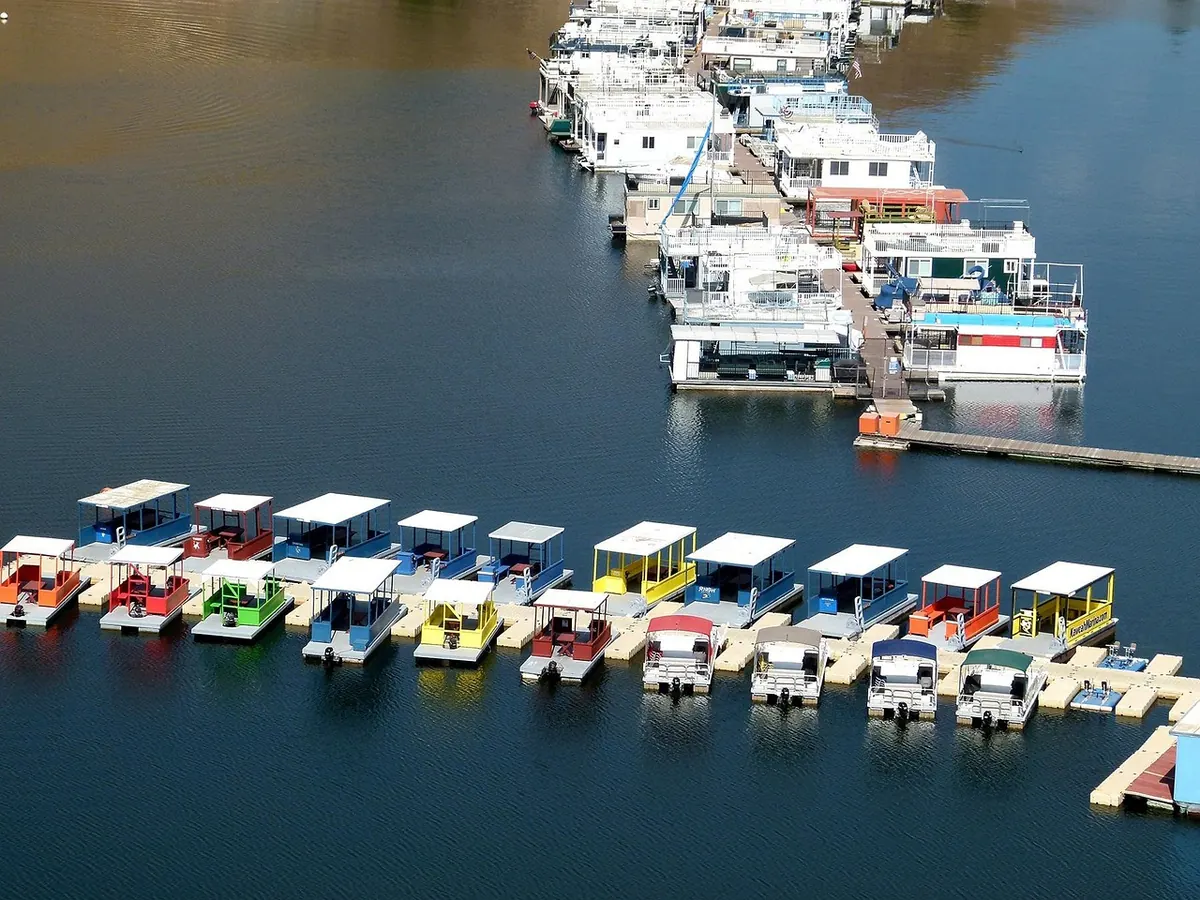
A pontoon berth — fingers, a hammerhead or a trot alongside — with walk-ashore access. Shore power and water are common, sometimes metered, sometimes included. Gated pontoons, showers, a workshop and a chandlery are typical; a travel hoist, fuel berth and visitor pontoons are the sort of extras worth checking for.
The cost picture, honestly
Costs vary enormously with location, boat length and demand, so treat any headline figure you hear in a club bar with caution. What holds true almost everywhere is that a swinging mooring is considerably cheaper than a marina berth of the same length. What is less often said is how much that gap narrows once you total everything up.
On a mooring, the annual fee is only the start:
- Tender and outboard — purchase, servicing, fuel, and somewhere ashore to keep them. Many clubs charge a small dinghy park fee.
- Tackle replacement — chain, shackles, swivels and strops wear and corrode. Most harbour authorities expect the mooring to be lifted and inspected on a set cycle, and you pay for the contractor and the crane or barge.
- Launch or ferry costs, where a harbour launch runs the moorings, or the fuel and time if you run your own outboard twice a visit.
- Weather exposure — covers, gelcoat and brightwork take more of a beating on a buoy, and that shows up in your maintenance budget.
On a pontoon, the berthing contract is the start rather than the end: metered electricity, occasional visitor surcharges if you sublet, and the steady drain of a chandlery twenty metres from your pontoon. Against that, you spend nothing on tenders, outboards or hauling your own ground tackle.
Access, convenience and the tide
Tide is the deciding factor for many people. In plenty of estuaries, a boat drawing a metre and a half on a swing mooring has a sailing window of a few hours either side of high water. Fine for a leisurely day sail that fits the tide. Hopeless for a dawn departure, a Friday evening escape or an arrival after dark.
A marina berth, by contrast, is tide-independent and available at any hour. That single difference changes how often a boat is used. A berth makes a two-hour sail after work realistic; a mooring makes it a fifteen-minute ferry trip before you even start. Guests, children, dogs, shopping and bulky gear all get aboard more easily from a pontoon, and the first mate who has spent an hour in oilskins in a dripping dinghy will not forget it.
Set against that, moorings often sit in water no marina can offer — up a creek, behind a sandbank, close to anchorages you would otherwise motor to.
Security, wear and winter
Marinas win on security. Gated pontoons, staff, CCTV and neighbours who notice an unfamiliar face do more than any padlock. On a swing mooring you rely on a well-watched harbour, a locked companionway and nothing tempting left on deck.
Winter splits the two sharply. A pontoon lets you plug in a dehumidifier, keep the batteries topped up and work under cover when the mood takes you. A boat left afloat on a buoy sits in constant small motion through every gale, and chafe is real: check strops, shackles and the riser after any blow, and watch for wear where lines pass through fairleads.
Cruising trade-offs
If your sailing is weekends and short passages, a mooring in a sheltered estuary can be a joy — cheaper, quieter, and closer to the water you actually sail. Long cruises change the calculation. A marina near a town makes provisioning, fuel, water and crew changes straightforward, and there is nothing quite like stepping ashore after a night passage.
Two points worth thinking about before committing. First, if you disappear for a fortnight, the marina berth sits empty while the bill continues; some marinas permit subletting, many forbid it. Second, a swing mooring will quietly improve your boat handling, because there is no dock to lean on and every departure is made under your own steam.
The useful middle ground
It is not a straight choice between pontoon and buoy. Trot moorings use fore-and-aft lines to fit more boats into less water. Half-tide and drying moorings, wall berths in a river, boatyard pontoons and dry sailing from a hoist all sit between the two extremes. Plenty of owners do both: a marina berth for the winter, a swing mooring for the summer.
Questions to ask before you commit
- What is included, and what is metered — electricity, water, parking, tender storage?
- How long is the contract, what notice is required, and can you sublet or hand it back?
- Is there a waiting list, and can you join it now? Popular marinas fill years ahead.
- For a mooring: who inspects the ground tackle, how often, and what rules does the harbour authority impose?
- Where will the dinghy live, and how long is the run out to the buoy in a fresh wind?
- Is the mooring sheltered, exposed, or somewhere you would want to move the boat ahead of a gale?
- What does your insurer require of the mooring or berth, and are you compliant?
Which one suits you
Look back at the last twelve months and count the trips you actually made, not the ones you intended to make. If most were short local sails and the boat is ashore or idle through winter, a swing mooring will do the job and free up money for sails, electronics or a bigger cruising kitty. If you use the boat year-round, sail after work, or cruise with family and guests, a marina berth earns its keep in sheer hours on the water.
Read the contract carefully either way — mooring agreements and berth licences differ widely on liability, insurance and notice periods, and for anything sizable it is worth taking proper advice before signing. Then get out on the water, because that is what the money is for.
Photo: ArtTower / Pixabay
Related Articles